
Learning a new language like French can open doors you may not have expected. If you are considering relocating to a country such as Canada, acquiring strong French abilities can be a strategic advantage. At the same time, if you’re planning a holiday abroad, knowing how to apply for New Zealand tourist visa is also useful. This article explores how improving your French ties into the immigration process for Canada and touches upon the visa process for New Zealand in a clear, simple way.
Why French matters for moving to Canada
Canada is officially bilingual — both English and French are official languages. For newcomers, being able to demonstrate proficiency in French doesn’t just help with everyday life, but it also gives tangible benefits in the immigration process. According to the Immigration,
Refugees and Citizenship Canada (IRCC), strong French language skills can earn you up to 50 additional points under the Comprehensive Ranking System (CRS) in the Express Entry system.
Beyond points, Canada has special pathways and draws that favour French-speaking applicants. For example, the French Language Proficiency category is designed to prioritise candidates who meet certain French language requirements.
What level of French is needed?
It’s not enough to just know a few phrases — the immigration system expects a meaningful level of ability. For example, to enter the French-language category based draws, you may need to achieve a minimum of NCLC 7 (equivalent to CLB 7) in all four skills: reading, writing, listening and speaking.
By reaching that level you can significantly boost your CRS score, and make yourself more competitive in the Canada immigration pool.
How French language learning fits into your plan
If you’re planning to relocate and you are based in India (or elsewhere), enrolling in good quality French classes is a proactive step. For example, if you are looking at French classes in Chandigarh, building a strong base now means you’ll be well prepared when you decide to submit your Canadian immigration profile.
Here’s how you can think of a plan:
Start with foundations: pronunciation, basic grammar, vocabulary.
Move to conversational skills: speaking and listening fluently.
Take a recognised test (for example, TEF Canada or TCF Canada) when you’re ready.
Update your immigration profile to show your French score, thus unlocking bonus points.
Learning French also helps you settle better once you arrive in Canada: building community links, accessing Francophone job markets, feeling more at home in French-speaking regions. Canada+1
Applying for New Zealand as a tourist while you plan ahead
While you plan your long-term move to Canada, you might also be looking at the easier, shorter term experience of travelling. If you are thinking of visiting New Zealand, then you’ll need to know how to apply for New Zealand tourist visa.
The New Zealand Visitor Visa allows travellers to stay up to 6 months or in some cases 9 months in an 18-month period, depending on single-entry or multiple-entry status.
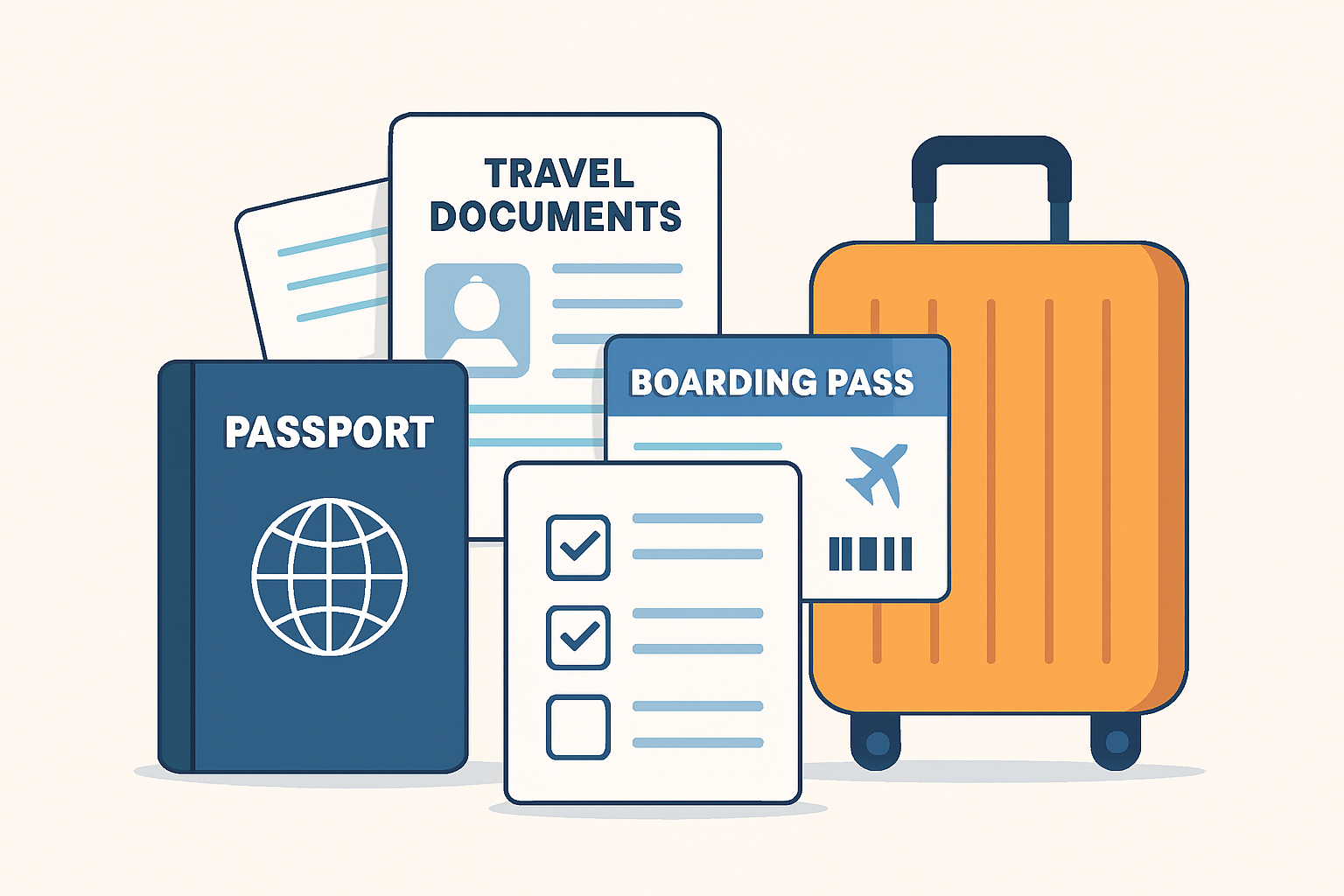
For Indian passport holders, this means you must apply for the Visitor Visa (since you don’t have a visa-waiver). Required documents include valid passport, proof of funds, travel plan, and accommodation details.
How the two connect: language skills and responsible travel
You might wonder: “What does learning French have to do with applying for a New Zealand tourist visa?” On the surface, the links might seem thin. But here’s how they relate:
Both are part of a wider mindset of preparing for international mobility. Learning French builds your confidence to live abroad; applying for the New Zealand visa builds your experience in international travel and compliance.
Being literate in multiple languages (including French) can help you adapt quicker when you travel or move to different countries.
Showing well-structured travel or relocation plans, including language skills and visa knowledge, enhances your credibility in immigration or visa applications. For example, if you apply for a visitor visa you need to show that you are a genuine visitor and intend to leave at the end of your stay.
Practical next steps for you
Since you are based in Chandigarh, here are some actionable tips:
Look for good local or online options for French classes in Chandigarh. Focus on schools that emphasise speaking and listening, not just textbook grammar.
Set a target: perhaps reach NCLC 7/CLB 7 level in French within a year, which aligns with Canadian immigration requirements.
While you study French, you can also begin preparing travel documents and finances for a possible trip to New Zealand: keep passport valid, gather bank statements, proof of accommodation, travel plan.
Use your New Zealand travel experience (if you go) to show responsibility: return on time, follow rules — this strengthens your overall profile for future immigration.
Continuously track updates: both Canadian immigration and New Zealand visa policies evolve over time. Staying informed helps you adjust your plan.
By integrating your language learning (French) with thoughtful travel/visa planning (New Zealand tourist visa) you build a stronger foundation for global mobility. Over time, these parallel efforts can contribute meaningfully to your goal of relocating to Canada and exploring other destinations responsibly.









Write a comment ...